
A worker bee born in June lives about six weeks. The bees hatching in our hives right now will still be alive in March. Same species, same queen, same comb, and a completely different build.
Bees raised in late summer and fall are called winter bees. They emerge with an enlarged fat body, the organ in the abdomen that holds their nutritional reserves, and they are never asked to burn themselves out on thousands of foraging flights. Penn State Extension puts the difference plainly: up to six months, versus six weeks for summer bees.
The part researchers keep circling back to is a protein called vitellogenin. Winter bees carry it in unusual quantity, and it does more than store nutrition. It also works as an antioxidant, shielding the bee from the cellular wear that would otherwise age her out. Turn that protein down in the lab and her lifespan drops with it.
Nothing that lasts happens by accident, in a hive or on a lot.
So the colony spends August and September building the bees it will need in February. There is no push for one more flight or one more frame of honey at that point. The work quietly shifts to raising the right bees, feeding them well, and letting them keep their strength.
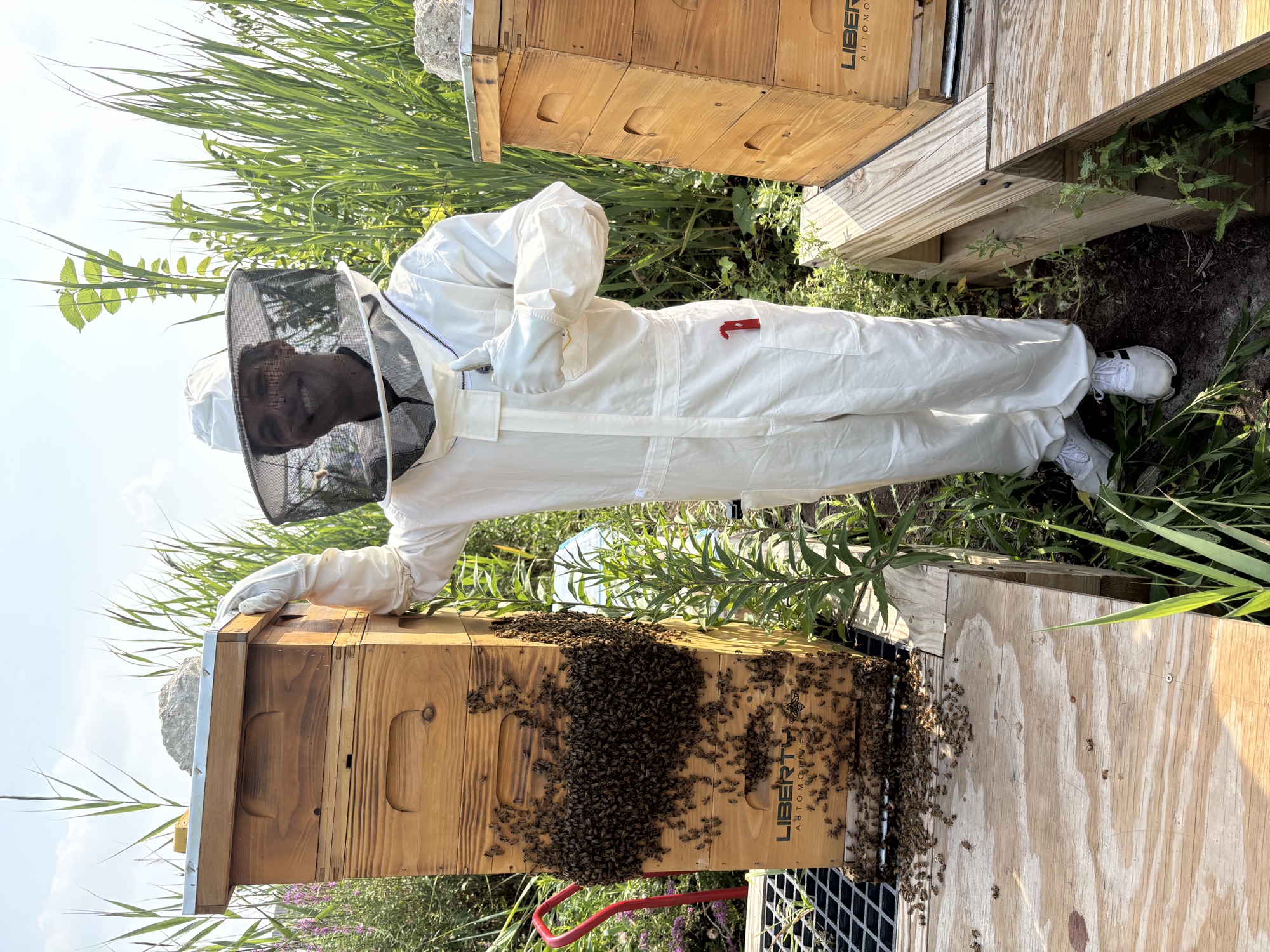
We keep six hives behind the dealership partly because they keep teaching us things. This one is easy to name. The colony uses its good months to get ready for the hard ones instead of cashing them in, which is close to the reason we have never sold a car over MSRP, not even in the years when everyone else was. A family business gets to think in seasons.